How we make money: Some links on this page are affiliate links, marked “Sponsored.” If you buy through one, we may earn a commission. It doesn’t change what we write. This article is general information, not medical advice.
Chronic pain is pain that lasts longer than three months, or longer than the time in which you should have healed.[1] It’s common: in 2021, an estimated 20.9% of U.S. adults, about 51.6 million people, had chronic pain.[2]
Treatment may not get rid of chronic pain, but it can help with your symptoms. Depending on the cause, your provider may suggest lifestyle changes such as managing stress, getting to a healthy weight and adding low-impact exercise.[1] This guide covers how to manage chronic pain day to day, one change at a time, and how strong the evidence is for each.
In brief
- Staying active is the change UK guidance backs most firmly: it recommends exercise programs for chronic pain with no clear cause. The NHS says building up gradually is unlikely to cause harm.[3][4]
- Poor sleep, stress, low mood, smoking and heavy drinking are all linked with worse pain.[1][5][6][7]
- Changing your whole diet shows some promise in studies, but no single “anti-pain” food or supplement has strong evidence behind it.[8][9]
What lifestyle changes can and can’t do
Many people with chronic pain use a mix of medicines, therapies and lifestyle changes rather than one fix. Cleveland Clinic notes that research shows a combination of therapies reduces pain more than relying on a single treatment, and that it can take time to find the mix that works for you.[6]
It also helps to know what to expect. The UK’s National Institute for Health and Care Excellence (NICE) advises doctors to explain that symptoms are likely to fluctuate, that flare-ups can happen, and that a reason for the pain may not be found. It also tells them to explain that quality of life can improve even if the pain stays the same.[3]
Painkillers have a limited role. The NHS says a doctor may suggest them for short-term relief, but they generally aren’t considered a primary way to manage long-term pain.[10]
Stay active, and build up gradually

The NHS suggests simple, everyday activities such as walking, swimming, gardening and dancing. Activity can ease some pain directly by blocking pain signals to the brain, and it stretches stiff, tense muscles, ligaments and joints.[4]
It’s natural to worry that exercise will do more damage. The NHS says that if you become more active gradually, you’re unlikely to cause harm, and that the pain you feel when you start gentle exercise comes from your muscles and joints getting fitter.[4]
NICE recommends offering people with chronic primary pain a supervised group exercise program that takes their needs, preferences and abilities into account, and encouraging them to stay active for their long-term health.[3] In the studies behind that advice, exercise reduced pain and improved quality of life compared with usual care, and the benefit was consistent across different types of exercise.[11]
The evidence isn’t strong, though. A 2017 overview of Cochrane reviews, covering 264 studies of exercise against no or minimal exercise, rated the evidence low quality, mostly because the studies were small. Exercise brought some improvements in pain and physical function, mostly small to moderate and not consistent across reviews. The side effects reported were mostly soreness or muscle pain.[12]
If a particular kind of movement appeals to you, NCCIH says approaches such as tai chi and yoga may help manage some painful conditions.[13] Our guides to yoga for back pain and physical therapy for chronic pain go further.
Pace yourself
The NHS counts not pacing your activities every day, and not accepting your limitations, among the ways people with pain can become their own worst enemy.[4] Learning to pace yourself to avoid flare-ups is one of the skills taught on NHS pain management programs.[10]
Pick something you can keep up. NICE’s committee noted that many people with chronic primary pain find it hard to be physically active, and said the activity should be sustainable for the person.[11] If you haven’t exercised for some time, or you have a medical condition or concerns, the NHS advises talking to a doctor first.[14]
Protect your sleep
Sleep and pain affect each other. In large long-term studies, poor sleep reliably predicts new chronic pain and flare-ups of existing pain. Studies that follow people day to day suggest poor sleep predicts pain more strongly than pain predicts poor sleep.[5]
Many people with long-term pain find it hard to sleep, and lack of sleep can make pain worse. The NHS suggests sticking to a normal routine: go to bed at the same time each evening, get up at a regular time, avoid naps during the day, and see a doctor if sleep problems persist.[4]
NICE found some benefit from cognitive behavioral therapy for insomnia (CBT-I) in people with chronic primary pain, but not enough evidence yet to recommend it.[11] Our guide to chronic pain and sleep has more.
Manage stress and low mood
Stress and depression can make chronic pain worse.[1] Pain can also leave you tired, anxious, depressed and grumpy, which can make the pain worse again. The NHS calls this a downward spiral.[4] Frequent or severe stress and post-traumatic stress disorder are both linked with chronic pain.[6]
Steps the NHS suggests:
- Breathe slowly and deeply when pain is intense. Shallow, rapid breaths can make you feel dizzy, anxious or panicked.[4]
- Practice relaxation regularly, from breathing exercises to meditation. It can help reduce persistent pain.[4]
- Don’t rely on alcohol, smoking or caffeine to cope with stress. They might bring some relief for a while, but in the long run they create new problems.[15]
- Note what went well. At the end of each day, try writing down 3 things that went well or that you’re grateful for. This is general NHS stress advice rather than a pain treatment.[15]
For more on how thoughts, emotions and attention shape what you feel, see our guide to the psychology of pain.
Sponsored · Pain app · Web, iPhone & Android
Changing habits to manage long-term pain?
PainApp is built on Pain Reprocessing Therapy (PRT), a brain-based approach to chronic pain. It has audio lessons, an AI pain coach and a pain tracker. Start with the free 2-minute pain test.
- Free pain test
- 2 min to finish
- 3 days free trial
Free test · 3-day free trial on the app, cancel anytime
Stay connected and keep your mind busy
Don’t let pain cut you off from people. The NHS suggests shorter but more frequent visits, or a phone call if you can’t get out, and trying to talk about anything other than your pain, even if other people want to talk about it.[4]
Shifting your attention helps too. Pick an activity you enjoy or find stimulating; many hobbies, such as photography, sewing or knitting, are possible even when your mobility is limited. It can also help to talk to someone who has had similar pain.[4] Patient organizations run helplines and self-help groups where you can meet other people with long-term pain.[10]
Psychological therapies: CBT and ACT
Psychological treatments aim to reduce pain, disability and distress.[16] NICE suggests considering acceptance and commitment therapy (ACT) or cognitive behavioral therapy (CBT) for pain, delivered by trained health professionals, for people with chronic primary pain.[3]
In the studies NICE reviewed, ACT improved quality of life and sleep and reduced pain and distress, though the evidence came from a fairly small number of studies. CBT improved quality of life, but a consistent benefit wasn’t shown for other outcomes.[11] A 2020 Cochrane review of 75 trials found CBT brought small benefits for pain, disability and distress compared with usual care, and very small ones compared with other active treatments. It rated the evidence for ACT as very low quality.[16] NCCIH notes that mindfulness-based approaches and CBT both helped decrease pain intensity and improve physical functioning in studies, with no important difference between the two.[13]
Quit smoking
People who smoke are nearly three times as likely to get lower back pain, and smoking may increase sensitivity to pain in general.[6] A review in the journal Anesthesiology notes that nicotine has pain-relieving properties in experiments, yet population studies show smoking is a risk factor for chronic pain.[17]
Nicotine addiction makes stopping hard, but quitting smoking can improve the quality and length of your life. A mix of counseling and quit-smoking medicine has been shown to work best, so ask your provider about support.[18]
Go easy on alcohol
Alcohol can dull pain for a short time, and pain can lead people to drink as a way of coping. A 2015 review found that excessive drinking and alcohol use disorder were linked with worse pain outcomes, such as more severe pain.[7]
Treating pain yourself with alcohol, prescription medicines or recreational drugs is risky and can lead to substance use disorders and addiction.[19]
Aim for a healthy weight
Getting to and staying at a healthy weight is one of the lifestyle changes a provider may suggest for chronic pain.[1] Being overweight or obese is also a risk factor for osteoarthritis.[20]
A 2018 review pooled 14 randomized trials of weight loss programs in adults with overweight or obesity and chronic musculoskeletal pain. On average, people in the programs lost 4.9 kg (about 11 pounds) more than the comparison groups, and their pain fell by 7.3 points more on a 100-point scale. Results varied a lot between studies, and how much weight people lost didn’t clearly predict how much their pain improved. In the review’s interview studies, people described how pain itself can make weight harder to control.[21]
Eat well: what diet can and can’t do

Research on diet and pain is promising but early. A 2021 review of 43 studies found an overall positive effect of whole-food diets on pain, with no single diet standing out. The diets ranged from vegetarian and Mediterranean diets to elimination diets and calorie restriction, and the studies included before-and-after studies without a comparison group, and case reports.[8]
An earlier review of 71 studies pointed the same way. Changes to the overall diet reduced pain in 12 of 16 studies, while supplements did so in 11 of 46.[22] The authors of the 2021 review suggest that what these diets have in common, such as better diet quality, more nutrients and weight loss, may be what matters, and they call for more research.[8]
For general health rather than pain, the NHS advises eating at least 5 portions of a variety of fruit and vegetables a day, basing meals on higher-fiber starchy foods, including some beans, fish, eggs or other protein, and having foods and drinks high in fat, salt and sugar less often and in small amounts.[23]
What about “anti-pain” foods?
Here’s what the sources say about some foods often promoted for pain:
- Ginger. Ginger supplements might help knee osteoarthritis symptoms, but much of the research has been of poor quality. Ginger applied to the skin hasn’t been shown to help.[24]
- Turmeric. There isn’t enough evidence to say turmeric or curcumin helps any health condition. Early results for knee osteoarthritis are positive, but some high-absorption curcumin products have been linked with liver damage.[25]
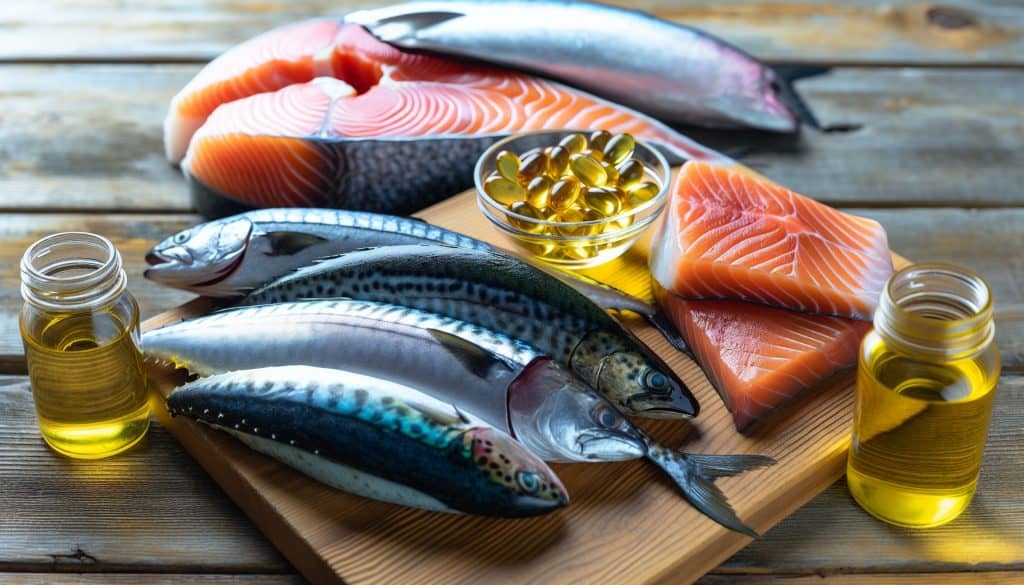
- Fish and omega-3s. Omega-3s are found in fish such as salmon, mackerel and tuna. Foods rich in them may improve rheumatoid arthritis symptoms such as pain, alongside drug treatment.[26] For osteoarthritis, a guideline cited by NCCIH weakly recommends against fish oil, because only one study exists and it didn’t show a benefit of a higher dose over a lower one.[13]
- Hot peppers. Creams and plasters containing cayenne can reduce low-back pain, according to NCCIH. That’s evidence for products applied to the skin, not for eating peppers.[13]
Check with your provider before taking a supplement. “Natural” doesn’t always mean safe, and some supplements have side effects or interact with medicines.[13]
What NICE recommends for chronic primary pain
NICE’s 2021 guideline on chronic pain sets out treatments for chronic primary pain: pain with no clear underlying condition, or pain whose impact is out of proportion to any injury or disease. Fibromyalgia is one type. For pain caused by a condition such as osteoarthritis, NICE points to the guideline for that condition instead.[3] It’s UK guidance, written for clinicians. Here’s what it says:
| Option | What NICE says | Advice | Source |
|---|---|---|---|
| Supervised group exercise | Take the person’s needs, preferences and abilities into account. Exercise reduced pain and improved quality of life compared with usual care. | Offer | [3] [11] |
| Staying physically active | For longer-term general health. The activity should be one the person can keep up. | Encourage | [3] [11] |
| ACT or CBT for pain | Delivered by healthcare professionals with appropriate training. | Consider | [3] |
| Acupuncture or dry needling | A single course, within limits on setting and cost. It reduced pain in the short term (up to 3 months); longer-term benefit is uncertain. | Consider | [3] [11] |
| Antidepressants (age 18 and over) | After a full discussion of benefits and harms. They may help quality of life, pain, sleep and distress, even without depression. | Consider | [3] |
| Biofeedback | Conflicting evidence, with little benefit and some evidence of harm. | Do not offer | [3] [11] |
| TENS, ultrasound or interferential therapy | No evidence of benefit. | Do not offer | [3] |
| Several pain medicines | Includes opioids, NSAIDs, benzodiazepines, antiepileptics (including gabapentinoids), antipsychotics, acetaminophen (paracetamol) and some injections. Little or no evidence they help chronic primary pain, and possible harms. | Do not start | [3] [11] |
If you already take one of these medicines, NICE advises a review with your doctor as a shared decision. If it helps at a safe dose with few harms, the plan can be to continue it safely. If it gives little benefit or significant harm, the doctor should explain the risks of continuing and support you to reduce and stop it if possible. For antidepressants, opioids, gabapentinoids and benzodiazepines, that conversation should include any problems with withdrawal.[3] NICE meant this to cover pain medicines bought over the counter too.[11]
When to get help
About 20% of people with chronic pain have thoughts of suicide.[6] If you or someone you know is thinking about suicide, call or text 988 to reach the Suicide & Crisis Lifeline. In an emergency, call 911.[27]
See your doctor if:
- you’ve been struggling with pain for more than 12 weeks. A doctor can check for signs of an illness that could be causing it or making it worse.[10]
- your pain gets worse or comes back after treatment, or a treatment gives you unpleasant side effects[6]
- you feel anxious or depressed, or pain is stopping you from sleeping or enjoying your usual activities[6]
- your symptoms change, for example during a flare-up. NICE advises offering a reassessment.[3]
Common questions
Can chronic pain go away?
Sometimes. If the cause can be found and treated, the pain may stop: treating arthritis can sometimes stop joint pain, for example. But chronic pain usually doesn’t go away, and many people don’t know its cause. Cleveland Clinic says current treatments reduce a person’s pain score by about 30%, and they can also improve quality of life.[6]
What happens on a pain management program?
In the NHS, these programs are usually group sessions with other people who have persistent pain. They can include gentle exercise, relaxation and mindfulness, managing emotions and group discussion. The aim is a better quality of life despite the pain, rather than less pain.[10] For chronic primary pain, NICE found no difference in quality of life compared with usual care, so it made no recommendation for or against them.[11]
Is massage worth trying for chronic pain?
It depends on the pain. NCCIH reports weak evidence for low-back pain, and a US guideline doesn’t recommend massage for chronic low-back pain. It may help neck pain for a short time. There’s low-to-moderate quality evidence that it may help arthritis pain, though an arthritis guideline weakly recommends against massage for hip or knee osteoarthritis. Some studies show less fibromyalgia pain when massage continued for 5 weeks or longer. Massage is generally safe for healthy people when done properly, but ask a trusted source to recommend a practitioner and check their training and experience.[13]
When should I see a pain specialist?
If you’re finding it hard to manage your pain, ask your doctor for a referral to a specialist pain clinic. Treatment there may include medicine, injections, manual therapy, exercise, complementary therapy and psychological therapy, with the aim of helping you build self-help skills.[10]
Free · From APM Health
Get our free morning movement routine
A short routine for easing stiff joints and muscles into the day. Sign up now and we’ll email it as soon as it’s ready.
- Free
- Sent as soon as it’s ready
- One email a week at most
Unsubscribe any time. Privacy policy
How we checked this article
Medical review: pending. A clinician hasn’t reviewed this article yet. We last checked it against the sources below on November 7, 2026.
Sources
- MedlinePlus. Chronic pain. Page last updated June 19, 2025.
- Rikard SM, Strahan AE, Schmit KM, Guy GP Jr. Chronic pain among adults: United States, 2019-2021. MMWR Morb Mortal Wkly Rep. 2023;72(15):379-385. Centers for Disease Control and Prevention.
- National Institute for Health and Care Excellence (NICE). Chronic pain (primary and secondary) in over 16s: recommendations. NICE guideline NG193. Published April 7, 2021.
- NHS. 10 ways to reduce pain. Page last reviewed May 2, 2023.
- Finan PH, Goodin BR, Smith MT. The association of sleep and pain: an update and a path forward. J Pain. 2013;14(12):1539-1552.
- Cleveland Clinic. Chronic pain. Last updated September 3, 2024.
- Zale EL, Maisto SA, Ditre JW. Interrelations between pain and alcohol: an integrative review. Clin Psychol Rev. 2015;37:57-71.
- Field R, Pourkazemi F, Turton J, Rooney K. Dietary interventions are beneficial for patients with chronic pain: a systematic review with meta-analysis. Pain Med. 2021;22(3):694-714.
- National Center for Complementary and Integrative Health (NCCIH). Nutritional approaches for musculoskeletal pain and inflammation. NCCIH Clinical Digest, February 2022.
- NHS. How to get NHS help for your pain. Page last reviewed February 21, 2023.
- National Institute for Health and Care Excellence (NICE). Chronic pain (primary and secondary) in over 16s: rationale and impact. NICE guideline NG193. Published April 7, 2021.
- Geneen LJ, Moore RA, Clarke C, Martin D, Colvin LA, Smith BH. Physical activity and exercise for chronic pain in adults: an overview of Cochrane Reviews. Cochrane Database Syst Rev. 2017;4(4):CD011279.
- National Center for Complementary and Integrative Health (NCCIH). Chronic pain and complementary health approaches: usefulness and safety. Last updated January 2023.
- NHS. Physical activity guidelines for adults aged 19 to 64. Page last reviewed May 22, 2024.
- NHS. 10 stress busters. Page last reviewed June 26, 2026.
- Williams ACC, Fisher E, Hearn L, Eccleston C. Psychological therapies for the management of chronic pain (excluding headache) in adults. Cochrane Database Syst Rev. 2020;8(8):CD007407.
- Shi Y, Weingarten TN, Mantilla CB, Hooten WM, Warner DO. Smoking and pain: pathophysiology and clinical implications. Anesthesiology. 2010;113(4):977-992.
- MedlinePlus. Quitting smoking. Page last updated July 21, 2025.
- Cleveland Clinic. Psychogenic pain. Last updated August 8, 2022.
- National Institute of Arthritis and Musculoskeletal and Skin Diseases (NIAMS). Osteoarthritis. Last reviewed September 2023.
- Cooper L, Ryan CG, Ells LJ, et al. Weight loss interventions for adults with overweight/obesity and chronic musculoskeletal pain: a mixed methods systematic review. Obes Rev. 2018;19(7):989-1007.
- Brain K, Burrows TL, Rollo ME, et al. A systematic review and meta-analysis of nutrition interventions for chronic noncancer pain. J Hum Nutr Diet. 2019;32(2):198-225.
- NHS. Eating a balanced diet. Page last reviewed June 30, 2026.
- National Center for Complementary and Integrative Health (NCCIH). Ginger: usefulness and safety. Last updated February 2025.
- National Center for Complementary and Integrative Health (NCCIH). Turmeric: usefulness and safety. Last updated April 2025.
- National Center for Complementary and Integrative Health (NCCIH). Omega-3 supplements: what you need to know. Last updated November 2024.
- MedlinePlus. Suicide. Page last updated April 22, 2024.