How we make money: Some links on this page are affiliate links, marked “Sponsored.” If you buy through one, we may earn a commission. It doesn’t change what we write. This article is general information, not medical advice.
Yes, constipation can cause back pain. A large amount of stool in your colon can press on nerves in your lower spine and cause a dull, achy pressure in your lower back.[1] Lower back pain is also a possible symptom of fecal impaction, a more severe form of constipation.[1][2] But when the two turn up together, the cause is often something else, such as irritable bowel syndrome (IBS), a nerve condition or a medicine you take.[1]
Back pain with bowel changes can also be an emergency. If you suddenly can’t control your bowels or bladder, or you lose feeling around your genitals or bottom, go to the ER.[3] See all the warning signs.
In brief
- Constipation can cause a dull ache in the lower back, but a separate condition often causes both problems.
- The NIDDK says to see a doctor right away if you’re constipated and also have lower back pain, blood in your stool, constant belly pain, vomiting, a fever or weight loss you can’t explain.
- Back pain with new loss of bowel or bladder control, or numbness around your genitals or bottom, needs emergency care. See the warning signs.
How constipation can cause back pain
Constipation means you have fewer than three bowel movements a week, or stools that are hard, dry or lumpy, difficult or painful to pass, or leave you feeling you haven’t finished.[4] You may also have a stomach ache and feel bloated or nauseated.[5]
When a lot of stool builds up in your colon, it can press on nerves in your lower spine. “If this happens, you might feel a dull, achy pressure in your lower back,” says Cleveland Clinic nurse practitioner Bryn DeSantis.[1]
Fecal impaction
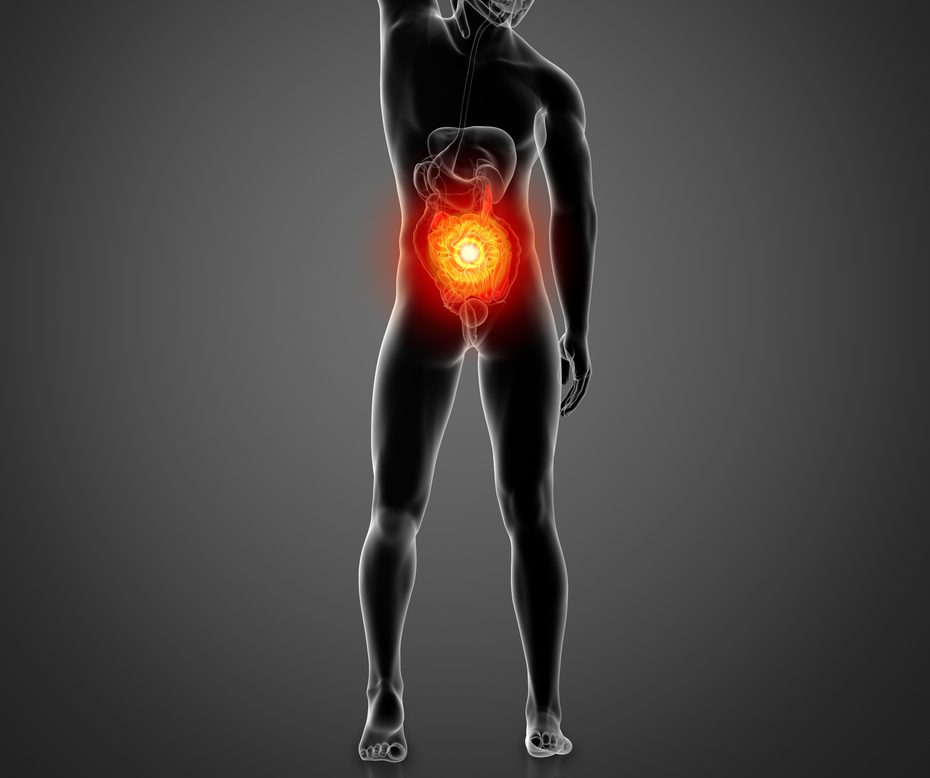
A fecal impaction is a large lump of dry, hard stool that stays stuck in the rectum. It’s most often seen in people who have been constipated for a long time. The risk is higher if you spend most of your time in a chair or bed, have a brain or nerve disease that affects the bowel, or take certain medicines, including narcotic (opioid) pain medicines.[2]
Common symptoms include:[2]
- belly cramps and bloating
- leaking liquid stool, or sudden watery diarrhea, after a long spell of constipation
- bleeding from the rectum
- small, semi-formed stools
- straining when you try to go
Other possible symptoms are lower back pain, bladder pressure or loss of bladder control, and a racing heart or lightheadedness from straining.[2] Cleveland Clinic also lists fever, dizziness or confusion, and says fecal impaction needs treatment right away.[1]
Lower back pain with new loss of bladder control is also on the NHS list of back pain emergencies, so don’t wait to see if it settles. Get help now.[3]
A doctor or nurse treats the impaction. That usually starts with a warm tap water enema to soften the stool, sometimes with suppositories, and the stool may need to be broken up gently by hand. After that, most people need a bowel retraining program.[2] The NHS is clear that removing stool by hand is not something to try yourself.[5]
How to tell if constipation is behind your back pain
To work out the cause, a doctor or nurse will go over your symptoms and medical history. They’ll usually want to know whether you:[1]
- take any medicines that can cause constipation
- have a related condition, such as IBS or Parkinson’s disease
- have other symptoms, such as gas, bloating or diarrhea
- have back pain that gets worse when you move, which could point to a pulled muscle, a herniated disk or another back problem
- have back pain that eases after a bowel movement
- have already tried other back pain treatments, such as physical therapy
When something else causes both
“Constipation may cause back pain,” says DeSantis, “but more often, chronic conditions are the source of both symptoms.”[1] These are the main ones Cleveland Clinic describes:[1]
- Irritable bowel syndrome (IBS). The nerves in the gut are oversensitive, which can cause constipation, diarrhea or both. IBS doesn’t usually cause back pain, but it sometimes can, perhaps as pain that starts in the gut and is felt in the back. People with IBS may also have other pain conditions, such as fibromyalgia or interstitial cystitis.
- Nerve conditions. Parkinson’s disease and multiple sclerosis can affect the nerves of the gut as well as the back, causing slow digestion and back and hip muscle pain, cramps or tightness.
- Medicines. Constipation is a very common side effect of pain relievers and muscle relaxants, the same drugs often used for back pain. Medicines for Parkinson’s disease can also cause it.
- Moving less. Back pain can make it hard to exercise, and a lack of exercise can add to constipation.
- Tumors. A tumor on the spine, or a large one in the lower belly from colorectal, ovarian or uterine cancer, can press on nerves and slow digestion. The NHS notes that bowel cancer is a rare cause of constipation.[5]
A kidney infection is not a bowel problem, but it can also cause pain in your lower back or side. Other signs include a fever, nausea or vomiting, diarrhea, and pain or burning when you pee. It can be serious if it isn’t treated, so get an urgent appointment if you think you have one.[6]
How to ease constipation
Common causes include not eating enough fiber, not drinking enough fluids, sitting or lying down for long periods, ignoring the urge to go, changes to your diet or routine, side effects of medicine, and stress, anxiety or depression.[5] The NHS says simple changes to your diet and lifestyle can help treat it.[5]

Food and drink
- Eat a healthy, balanced diet, including fruits that contain sorbitol, such as apples, apricots, grapes, raisins, raspberries and strawberries.[5]
- Increase the fiber in your diet gradually. MedlinePlus explains that more fiber can cause bloating and gas, and suggests asking your provider how much fiber you need each day, since needs differ by sex and age.[5][7]
- Add some wheat bran, oats or linseed (flaxseed) to your meals.[5]
- Drink plenty of water and other fluids, and avoid alcohol.[5] MedlinePlus suggests 8 to 10 cups (2 to 2.5 liters) of liquids a day, particularly water, and plenty of water whenever you add fiber.[7]

Toilet routine and activity
- Go when you feel the urge. Don’t put it off.[5]
- Keep to a regular time and place, and give yourself plenty of time. For many people, after breakfast or dinner works well.[5][7]
- Rest your feet on a low stool while you sit on the toilet, with your knees above your hips if you can.[5]
- Move more. The NHS says a daily walk or run can help you poop more regularly, and MedlinePlus suggests walking, swimming or another activity at least 3 or 4 times a week.[5][7]
You may notice a difference within a few days, though it sometimes takes a few weeks.[5]
Laxatives and pain relievers
If diet and lifestyle changes aren’t helping, ask a pharmacist. They can suggest a suitable laxative. Most work within 3 days and should only be used for a short time.[5] MedlinePlus advises against taking a laxative if you have severe stomach pain, nausea or vomiting, and says not to take one for more than a week without talking to your provider.[7]
Cleveland Clinic warns against using over-the-counter pain relievers for the back pain, since they can sometimes make gut symptoms worse.[1] Narcotic (opioid) pain medicines can make constipation worse.[4] If a prescribed medicine seems to be causing your constipation, talk to your doctor before you stop it.[5]
If your back still hurts once your bowels are back to normal
If you’re going regularly again and the ache hasn’t eased, it may not be coming from your bowels at all. A common cause of back pain is a pulled muscle, and lower back pain usually improves within a few weeks.[3] The NHS advice for easing it:[3]
- Stay active and keep up your daily activities as best you can. Don’t stay in bed for long periods.
- Use an ice pack or a heat pack, wrapped in a towel.
- Try some exercises and stretches for back pain, and stop if your pain gets worse.
- Ask a pharmacist or doctor which pain reliever suits you,[3] especially if you also have gut symptoms.[1]
Walking, swimming, yoga and pilates may also help.[3] Cleveland Clinic adds topical pain relievers, meditation and deep breathing.[1] For moves to start with, see our guide to lower back stretches.
See a doctor if your back pain hasn’t improved after a few weeks of home care, stops you doing everyday things, is worse at night, or is worse when you cough, sneeze or poop.[3] If you’re still constipated too, don’t wait: the NIDDK advises seeing a doctor right away when constipation comes with lower back pain.[4]

Sponsored · Back pain program
Low back pain that keeps hanging on?
The Back Pain Breakthrough is a gentle at-home routine from physical therapist Dr. Steve Young: short follow-along videos for lower back pain, including one move you do in bed. Instant access on any device.
When to get help for back pain with bowel symptoms
Go to the ER or call 911 if you have back pain and:[3]
- changes in your bladder or bowels, such as trouble peeing, or peeing or pooping yourself
- loss of feeling around your genitals or anus
- pain, tingling, weakness or numbness in both legs
- chest pain, or the pain started after a serious accident
Loss of bowel or bladder control, being unable to pee, and numbness in your buttocks or inner thighs can be signs of cauda equina syndrome, where the nerve roots at the bottom of the spinal cord are squeezed. It’s a medical emergency, and quick surgery may prevent permanent damage.[8] Don’t drive yourself. Ask someone to take you, or call 911.[3]
Get an urgent appointment with a doctor if you have back pain and feel hot, cold, shivery or generally unwell, or the pain is severe and started suddenly or is getting worse quickly.[3]
See a doctor right away if you’re constipated and have:[4][1]
- blood in your stool or bleeding from your rectum
- constant or severe pain in your belly, or severe back pain
- lower back pain
- vomiting, a fever, or you can’t pass gas
- weight loss you can’t explain
- loss of feeling in your legs
If constipation comes on suddenly with belly cramps and you can’t pass gas or stool, don’t take any laxatives. Call your provider right away.[2]
See a doctor soon if constipation isn’t getting better with treatment or keeps coming back, your bowel habits change suddenly, or your stools become very thin, like a pencil.[5][2] The same applies if you have a family history of colon or rectal cancer.[4]
Common questions
How long is too long without a bowel movement?
Fewer than three bowel movements a week is one sign of constipation.[4] It also helps to know your own normal pattern.[7] MedlinePlus says to contact your provider if you haven’t had a bowel movement in 3 days, or if you have belly pain or bloating, nausea or vomiting, or blood in your stool.[7]
Can coffee help with constipation?
It may. Cleveland Clinic lists a cup of warm caffeinated coffee, which can stimulate the muscles in your digestive tract, followed by five minutes on the toilet, among the ways to ease constipation.[1]
Can constipation cause upper back pain?
The sources we checked only describe constipation causing pain in the lower back.[1][2] The NHS advises seeing a doctor if back pain comes from the top of your back, between your shoulders, rather than your lower back.[3]
Is it safe to treat constipation during pregnancy?
Constipation is common during pregnancy and after giving birth. The NHS says the diet, toilet and activity changes above are safe to try while you’re pregnant.[5] Don’t take a laxative while pregnant or breastfeeding unless your provider has said it’s OK.[7]
Sponsored · Back pain program
Short back videos from a physical therapist
The Back Pain Breakthrough is a gentle at-home routine for lower back pain that you can start tonight. See today’s price on the official site.
Official site · opens in a new tab
Free · From APM Health
Get our free morning movement routine
A short routine for easing a stiff lower back into the day. Sign up now and we’ll email it as soon as it’s ready.
- Free
- Sent as soon as it’s ready
- One email a week at most
Unsubscribe any time. Privacy policy
How we checked this article
Medical review: pending. A clinician hasn’t reviewed this article yet. We last checked it against the sources below on November 3, 2026.
Sources
- Cleveland Clinic. Is Constipation Causing Your Back Pain? Health Essentials, August 19, 2024.
- MedlinePlus. Fecal impaction. Review date October 20, 2025.
- NHS. Back pain. Page last reviewed March 5, 2026.
- National Institute of Diabetes and Digestive and Kidney Diseases (NIDDK). Symptoms & Causes of Constipation. Last reviewed May 2018.
- NHS. Constipation. Page last reviewed October 26, 2023.
- NHS. Kidney infection. Page last reviewed February 13, 2025.
- MedlinePlus. Constipation – self-care. Review date July 15, 2024.
- Cleveland Clinic. Cauda Equina Syndrome. Last updated June 13, 2024.