How we make money: Some links on this page are affiliate links, marked “Sponsored.” If you buy through one, we may earn a commission. It doesn’t change what we write. This article is general information, not medical advice.
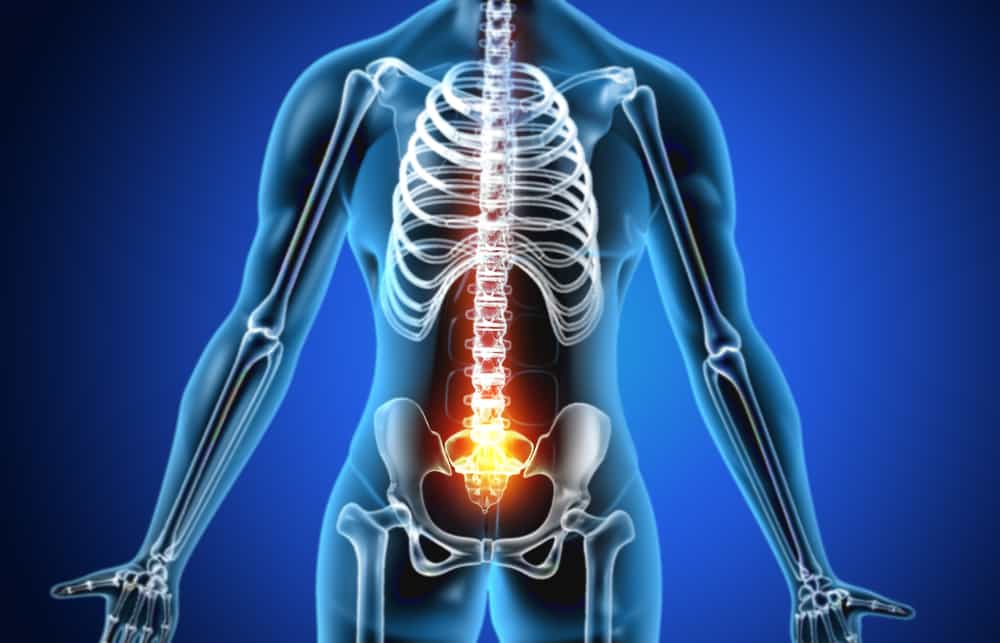
Axial pain is pain felt along the spine itself, for example in the low back, without spreading into a leg or arm.[1] It comes from structures such as the discs, the small facet joints, the sacroiliac joints, ligaments and muscles.[2][3] Radicular pain comes from an irritated spinal nerve root, and it travels away from the spine into a leg or an arm.[4][5]
Telling axial vs radicular pain apart matters because doctors investigate and manage the two differently.[2]
In brief
- Axial pain stays in the back. Radicular pain shoots down a leg or arm along an irritated nerve root, and often feels burning or electric.[1][4][5]
- Radiculopathy means the nerve root isn’t working properly, causing numbness, weakness or reduced reflexes. Referred pain from the back can reach the buttock and thigh without any nerve root being irritated.[4]
- Call 911 or go to the ER for numbness around your genitals or anus, changes in bladder or bowel control, or numbness or weakness in both legs.[6][7]
What is axial pain?

Axial pain is felt in the spine region and doesn’t spread into an arm or leg. Researchers describe chronic axial low back pain as pain found only along the low back, without radiating like nerve pain.[1]
It’s usually nociceptive pain, the kind that comes from actual or threatened damage to tissue other than nerves. Pain sensors in these tissues respond to that damage, and the nervous system itself works normally.[2] It often feels dull and aching, though it can be sharp or stabbing with movement, and it stays in the back.[1][2][8]
Everyday low back pain often gets worse with bending, lifting, sitting, standing and walking, and most people find that lying down eases it. It can spread into the buttock or outer hip, but not down the leg.[8] Common sources include a pulled muscle, small tears in a disc, and discs that wear and shrink with age, which can make the facet joints rub together.[7][8]
What is radicular pain?

Radicular pain is thought to happen when a nerve root becomes overexcitable and fires off abnormal signals. Inflammation, reduced blood supply or physical pressure on the nerve can set this off.[4]
People describe it as shooting, electric, stabbing, burning or sharp, often with a dull ache in the background and sometimes with tingling. Certain movements of the spine or leg can bring it on. It runs into the limb in a pattern that resembles, but doesn’t always match, the area that nerve root supplies.[4]
Where you feel it depends on which root is affected:
- Neck (cervical). The pain usually travels from the neck down the arm, and turning the head can make it worse. Tingling, numbness or weakness in the arm or hand can come with it.[5] The neck itself may or may not hurt.[9]
- Low back (lumbar). The pain or numbness spreads from the lower back into the leg.[10] With sciatica, symptoms usually affect your buttock and the back of one leg, often down to the foot and toes. You may have back pain too, but it’s usually not as bad as the pain in your leg.[6] Sciatica means pain along the sciatic nerve, which runs from the buttocks down each leg.[11] It’s a broad term, not a specific diagnosis: the diagnosis is whatever is pressing on the nerve root, such as a herniated disc or spinal stenosis.[12] See our guide to sciatica exercises.
- Upper back (thoracic). The pain is felt in and around the chest, including when you breathe.[10]
Radicular pain vs radiculopathy
The two words are often used as if they mean the same thing, but they don’t.[4][13] Radicular pain is a symptom: pain from an irritated nerve root. Radiculopathy means the nerve root has been damaged or diseased enough to stop working properly. Doctors identify it by what’s lost: numbness in a patch of skin, weakness in certain muscles, or reflexes that are reduced or absent. Radiculopathy can be painless. When it comes with radicular pain, it’s called painful radiculopathy.[4]
How referred pain differs
Referred pain is felt somewhere other than where the problem is.[14] When it comes from structures in and around the spine, it’s called somatic referred pain. It starts in the same kinds of structures as axial pain, such as the discs, facet joints and muscles, but you also feel it farther away, most often in the buttock and thigh and rarely in the foot. It tends to feel dull, aching or like pressure, sits deep, and covers a wide area that’s hard to pinpoint.[4]
Because referred pain can spread into the leg, it can be mistaken for radiculopathy.[3] Leg pain doesn’t always mean a nerve root is involved.[2]
Organs can refer pain to the back too. Lower back or flank pain may point to a colon or kidney problem. Back or shoulder pain with trouble breathing, dizziness or chest pain, and no injury to explain it, needs medical help right away because it could be a heart problem. Whatever the source, treating referred pain means treating the problem behind it, not the place where you feel it.[14] Call 911 if you have chest pain.[7]
The four terms at a glance
| Type | Where it’s felt and what it’s like |
|---|---|
| Axial pain | Along the spine, for example in the low back, without spreading into a limb. Comes from discs, facet joints, sacroiliac joints, ligaments or muscles.[1][2][3] |
| Somatic referred pain | Starts in the same back structures but is also felt farther away, most often the buttock and thigh. Dull, deep and hard to pinpoint.[4] |
| Radicular pain | Comes from an irritated nerve root and shoots into a leg or arm. Often electric, burning or stabbing, sometimes with tingling.[4][5] |
| Radiculopathy | The nerve root isn’t working properly: numbness, weakness or reduced reflexes in the area it supplies. It can happen with or without pain.[4] |
What causes radicular pain?
Anything that presses on or irritates a spinal nerve root can cause it.[10] Common causes include:
- A herniated (slipped) disc. Part of the soft center of a disc pushes out through a tear in its tougher outer layer and presses on a nerve.[11] It’s the most common cause of sciatica.[6] Read more about herniated discs.
- Bone spurs. As discs wear with age, the body grows extra bone around them, which can narrow the openings where nerve roots leave the spine. Older adults more often get sciatica from bone spurs and arthritis.[5][12]
- Spinal stenosis and spondylolisthesis. A narrowed spinal canal, or a vertebra that has slipped out of position, can press on the nerves.[6]
- Injury. Falls and car accidents can cause it.[10] More rarely, a tumor presses on the nerve.[11]
How doctors tell them apart
Your description. A doctor will ask how the pain started, where it travels and exactly what it feels like.[12] Burning, shooting or electric pain with tingling points toward a nerve, and with nerve-related pain the leg usually hurts more than the back. Pain that stays in one area and changes in step with clear triggers points toward a back structure. Where the pain goes isn’t enough on its own to tell them apart.[2]
The physical exam. The doctor checks sensation, muscle strength and reflexes.[5] Weakness in the muscles one nerve root supplies, reduced or absent reflexes, and a positive straight leg raise test all suggest radiculopathy.[3] In the straight leg raise, you lie on your back while the doctor slowly lifts one straight leg and asks when symptoms start.[15] For the neck, Spurling’s test tilts, turns and presses your head toward the painful side to see if it brings on your symptoms. A positive result strongly suggests a pinched nerve, but a negative one doesn’t rule it out.[9]
Tests. Tests are often not needed unless the pain is severe or long-lasting.[16] An MRI can show whether a bulging or herniated disc is pressing on a nerve.[5] Scans need careful reading, though. Nearly half of middle-aged and older people have worn discs and pinched nerves in the neck that cause no symptoms.[5] MRI changes are common even in people without symptoms.[3]
How each type is treated
Axial back pain
Back pain often improves on its own within a few weeks. The NHS advises staying active, avoiding long periods in bed, and trying exercises and stretches. Ice packs can ease pain and swelling, and heat packs can ease stiffness or muscle spasms. Anti-inflammatories such as ibuprofen may help but aren’t suitable for everyone.[7] Our guide to lower back stretches has gentle options to try.
If it doesn’t settle after a few weeks, options include physical therapy, group exercise, manual therapy and cognitive behavioral therapy to help you cope with the pain.[7]
Radicular pain and sciatica
About 80 to 90% of people with sciatica get better over time without surgery, typically within several weeks when a herniated disc is the cause.[12] The NHS suggests carrying on with normal activities, starting gentle exercise as soon as you can, and using heat packs. Avoid sitting or lying down for long periods: moving may hurt, but it isn’t harmful. Acetaminophen (Tylenol) is unlikely to help, and it’s not clear how much NSAIDs such as ibuprofen help.[6] There is also little evidence that medicines aimed at nerve pain work for this kind of leg pain.[4]
Physical therapy is one of the main treatments. If the pain is severe and other treatments haven’t helped, a specialist may suggest an injection such as an epidural, a nerve procedure or surgery.[6] Surgery may be considered if disabling leg pain continues after 3 or more months of nonsurgical treatment.[12] See the last stages of sciatica for signs of healing.
Most people with cervical radiculopathy also get better over time without treatment. When it’s needed, options include physical therapy, anti-inflammatories and steroids.[5]
When to get medical help
Call 911 or go to the ER if you have pain in your back, neck or legs and:[6][7][10]
- sciatica on both sides, or pain, tingling, weakness or numbness in both legs
- numbness or loss of feeling around or under your genitals, or around your anus
- trouble urinating, being unable to urinate, or losing control of your bladder or bowels, when this isn’t normal for you
- changes in how your penis or vagina feels during sex, or trouble getting an erection or reaching orgasm
- chest pain
- pain that started after a serious accident, such as a car crash
- you can’t move your hands, arms, legs or neck the way you usually can
Don’t drive yourself to the ER. Ask someone to drive you, or call 911.[6] Mayo Clinic also advises immediate care for sudden numbness or muscle weakness in a leg.[11]
Call your doctor right away or go to urgent care the same day if you have back pain and:[7][16]
- a fever or chills, or you feel generally unwell
- weakness or numbness in your buttocks, thigh, leg or pelvis
- severe pain that started suddenly, is getting worse quickly, or won’t let you get comfortable
See your doctor if:[6][7][16]
- the pain hasn’t improved after a few weeks of home treatment, is getting worse, or is stopping you doing day-to-day things
- it doesn’t improve with rest, or it’s worse at night
- you’ve lost weight without trying
- there’s a lump or swelling in your back, or your back has changed shape
- the pain is between your shoulders rather than in your lower back
- you use steroids or inject drugs
Common questions
Can you have axial and radicular pain at the same time?
Low back pain often comes with referred pain, radicular pain or radiculopathy at the same time, as separate problems.[3] Pure nerve pain and pure tissue pain may even be rare in practice.[2]
Is radicular pain the same as a pinched nerve?
“Pinched nerve” is the everyday name for radiculopathy: a nerve root, where a nerve joins the spinal column, is compressed or irritated.[5][10] Pressure isn’t the only trigger, though. Inflammation and reduced blood supply to the nerve root can also cause radicular pain.[4]
How long does radicular pain last?
Sciatica usually gets better in a few weeks to a few months, but it can last longer and can come back.[6] Cleveland Clinic says most people with radiculopathy feel better within a few weeks, though it can take longer if symptoms are severe or other spine conditions are involved.[10]
Does axial back pain mean something serious is wrong?
Usually not. Very rarely, back pain is a sign of something serious, such as a broken bone, cancer or an infection, which is why the warning signs above matter.[7]
Sponsored · Back pain program
Is your pain mostly in your lower back?
The Back Pain Breakthrough is a set of short follow-along videos with gentle moves for lower back pain, from physical therapist Dr. Steve Young, DPT. Instant access on any device.
Official site · opens in a new tab
Free · From APM Health
Get our free morning movement routine
A short, gentle routine for loosening a stiff back at the start of the day. Sign up now and we’ll email it as soon as it’s ready.
- Free
- Sent as soon as it’s ready
- One email a week at most
Unsubscribe any time. Privacy policy
How we checked this article
Medical review: pending. A clinician hasn’t reviewed this article yet. We last checked it against the sources below on November 6, 2026.
Sources
- Förster M, Mahn F, Gockel U, et al. Axial low back pain: one painful area, many perceptions and mechanisms. PLoS One. 2013;8(7):e68273.
- Fourré A, Monnier F, Ris L, et al. Low-back related leg pain: is the nerve guilty? How to differentiate the underlying pain mechanism. J Man Manip Ther. 2023;31(2):57-63.
- Bateman EA, Fortin CD, Guo M. Musculoskeletal mimics of lumbosacral radiculopathy. Muscle Nerve. 2025;71(5):816-832.
- Schmid AB, Tampin B, Baron R, et al. Recommendations for terminology and the identification of neuropathic pain in people with spine-related leg pain. Outcomes from the NeuPSIG working group. Pain. 2023;164(8):1693-1704.
- American Academy of Orthopaedic Surgeons (OrthoInfo). Cervical radiculopathy (pinched nerve). Accessed November 6, 2026.
- NHS. Sciatica. Page last reviewed December 3, 2024.
- NHS. Back pain. Page last reviewed March 5, 2026.
- American Academy of Orthopaedic Surgeons (OrthoInfo). Low back pain. Accessed November 6, 2026.
- Caridi JM, Pumberger M, Hughes AP. Cervical radiculopathy: a review. HSS J. 2011;7(3):265-272.
- Cleveland Clinic. Radiculopathy. Last updated March 16, 2022.
- Mayo Clinic. Sciatica: Symptoms and causes. December 23, 2025.
- American Academy of Orthopaedic Surgeons (OrthoInfo). Sciatica. Accessed November 6, 2026.
- Murphy DR, Hurwitz EL, Gerrard JK, Clary R. Pain patterns and descriptions in patients with radicular pain: does the pain necessarily follow a specific dermatome? Chiropr Osteopat. 2009;17:9.
- Cleveland Clinic. Referred pain. Last updated September 11, 2023.
- Cleveland Clinic. Sciatica. Last updated February 10, 2026.
- MedlinePlus. Sciatica. Review date August 27, 2024.