How we make money: Some links on this page are affiliate links, marked “Sponsored.” If you buy through one, we may earn a commission. It doesn’t change what we write. This article is general information, not medical advice.
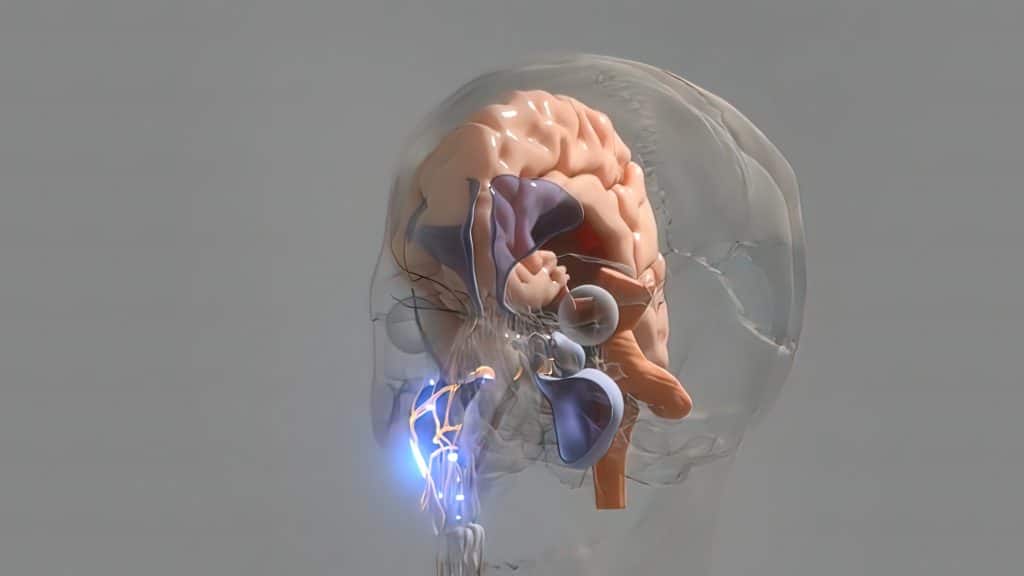
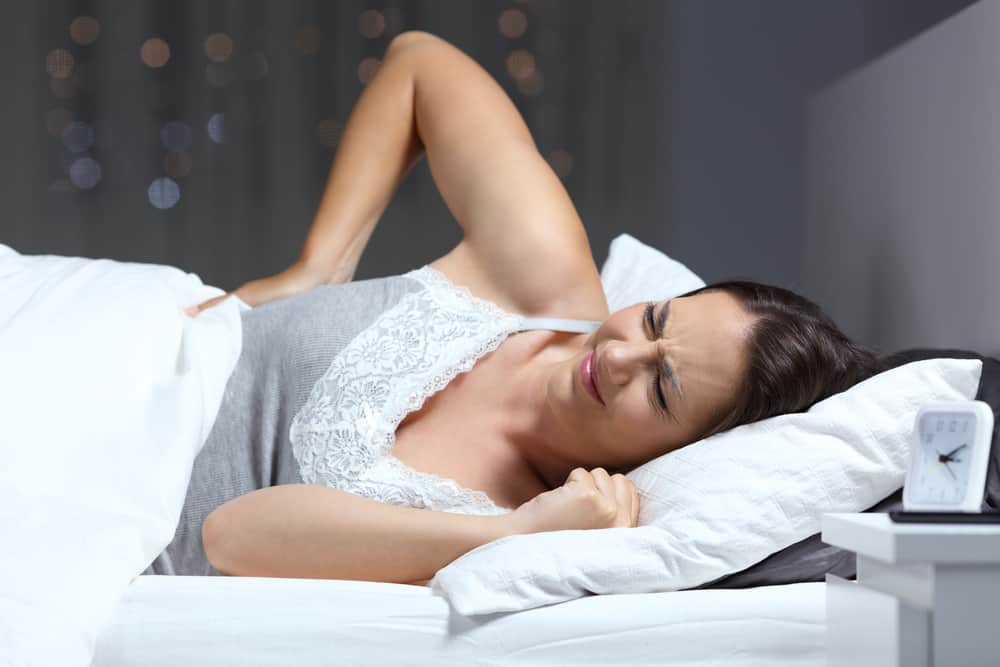
Sciatica is pain, tingling, numbness or weakness that runs from the lower back or buttock down one leg. It happens when the sciatic nerve is pressed on or irritated.[1][2] It can feel worse at night, just when you’re trying to sleep.[1][3]
This guide covers the sleeping positions and pillow setups a physical therapist suggests, what may be behind night pain, and the signs that mean you should see a doctor.
In brief
- No sleeping position is proven best for sciatica. Start on your side with a pillow between your knees, or on your back with a pillow under your knees, and adjust from there.[3][4]
- Keep moving during the day. Bed rest doesn’t help sciatica more than staying active.[2][5]
- Contact a doctor right away if your pain is worse when you lie down or wakes you at night. Numbness around the genitals or new bladder or bowel problems need the ER.[1][2]
What is the best sleeping position for sciatica?
There’s no perfect position, and a PubMed search on November 3, 2026 found no trials of sleep positions for sciatica. Cara Sieberth, a physical therapist at Cleveland Clinic, suggests starting with your head, shoulders and hips in a straight line, then adjusting based on what hurts and what feels good.[3] Give each setup a few nights and keep whatever lets you sleep.
- On your back. Put a small pillow under your head and neck, not your shoulders, and a pillow or rolled towel under your knees so your lower back doesn’t arch. This helps keep your spine aligned. If a bulging disk is behind your sciatica, you may find it comfortable.[3][4]
- On your side. Put a pillow between your knees to keep your hips aligned. A body pillow, or a pillow behind your back, stops you rolling. Side lying can take pressure off the sciatic nerve.[3]
- Curled on your side. Lie with your knees curled up and a pillow between your legs.[4] A slightly rounded spine may ease sciatica caused by spinal stenosis. Without stenosis, it can hurt more.[3]
- Head and upper back raised. A wedge pillow, a recliner, or an adjustable bed with the head raised is mainly worth trying if spinal stenosis is the cause.[3]
- On your stomach. Usually best avoided, because it arches your back and twists your neck. A few people find it’s the one position that helps.[3]
The cause of your sciatica can change which position suits you. If you can’t find one that works, a physical therapist can help. Even a few sessions can show you which positions and activities are best for you.[3]
Sponsored · Back pain program
A gentle routine you can start tonight
The Back Pain Breakthrough is a set of short follow-along videos from physical therapist Dr. Steve Young, DPT. The moves are gentle and aimed at lower back pain, and one of them is done in bed.
Official site · instant access on any device
Why is sciatica worse at night?
MedlinePlus lists night as one of the times sciatica can get worse.[1] We didn’t find good research that explains why. These may play a part, but none is proven:
- Your position. Some positions take pressure off the irritated nerve and others don’t, which is why changing your position and pillows is the first thing to try.[3]
- Long spells of lying still. The NHS advises against sitting or lying down for long periods, and says moving is not harmful even if it hurts.[2]
- Your day. Cleveland Clinic notes that what you do while you’re awake can affect how bad the pain gets at night.[3]
You may read that lying down puts more pressure on your spinal disks. One study measured the pressure inside a disk in a single volunteer over about a day. It was lowest while he was lying down. It rose during the night but stayed at about half the level measured while he stood.[6] One person can’t settle the question, but the data don’t support the idea that lying flat squeezes your disks.
For more on how pain and sleep affect each other, see our guide to chronic pain and sleep.
Sponsored Sciatica lasted longer than three months? Take PainApp’s free 2-minute pain test. It’s built on Pain Reprocessing Therapy.
Mattress and pillows: what the evidence says
Mattress. In one double-blind trial, 313 adults with long-term low back pain slept on either a firm or a medium-firm mattress. After 90 days, the medium-firm group reported less disability and less pain while lying in bed. The result for pain on getting up was less certain.[7] Nobody in the trial had pain spreading down the leg, so it tells us little about sciatica.
Before you buy a new mattress, Cleveland Clinic suggests finding a comfortable position on the one you have, using pillows or a mattress topper. Once you know what gives you relief, you can decide whether firmer or softer would help.[3]
Pillows. Regular pillows work fine for propping your knees and back. A body pillow is another option.[3]
Evidence at a glance
| Question | What we found | Strength | Source |
|---|---|---|---|
| Is there a best sleeping position for sciatica? | We found no trials. A physical therapist and MedlinePlus suggest side or back lying with pillows, then adjusting for comfort. | Expert advice | [3][4] |
| Is bed rest better than staying active? | For sciatica, a Cochrane review found little or no difference between the two. | Moderate | [5] |
| Does a medium-firm mattress help? | It beat a firm one on disability after 90 days, in people with low back pain but no leg pain. | One trial | [7] |
| Does lying down squeeze your disks? | Disk pressure was lowest lying down, in a study of one volunteer. | Very low | [6] |
A wind-down routine before bed
- Keep moving in the day. The NHS advises carrying on with your normal activities as much as you can, and starting gentle exercise as soon as you can.[2] For moves to try, see our guide to sciatica exercises.
- Stretch before bed. Cleveland Clinic suggests one to two minutes of stretching three to five times a day, including right before bed, and focusing on the stretches that ease your symptoms most.[3]
- Use heat, or ice if it’s new. The NHS suggests heat packs on the painful area.[2] If your sciatica has only just started, MedlinePlus suggests ice for the first 48 to 72 hours, then heat.[1] Keep heat sessions under 20 minutes, take the pad off if it gets uncomfortably warm, and keep bath water between 92 and 100°F.[8] That means switching a heating pad off before you settle down to sleep. Our guide to heat pads for back pain compares options.
- Keep regular hours. Go to bed and get up at the same time every day, and avoid caffeine in the afternoon and evening.[9]
Pain relief at night
MedlinePlus lists over-the-counter pain relievers such as ibuprofen (Advil, Motrin IB) or acetaminophen (Tylenol) among the first steps for sciatica.[1] The NHS is more cautious. It says acetaminophen (called paracetamol in the UK) is unlikely to help, and it’s not clear how much anti-inflammatories like ibuprofen help with sciatica.[2]
If you take one, follow the label. Ibuprofen and similar drugs can raise the risk of heart attack, stroke and stomach bleeding. Check with a pharmacist or doctor first if you have heart, stomach or kidney problems, or take other medicines.[10]
If self-care isn’t helping, see your doctor. Depending on the cause, they may suggest physical therapy, injections, or other medicines for nerve pain.[1]
When to get medical help
Call 911 or go to the ER if you have sciatica and any of these. They can be signs of cauda equina syndrome, a rare problem with the nerves at the base of the spine that needs treatment fast.[2][11]
- numbness around your genitals, buttocks or anus
- trouble starting to pee, being unable to pee, or losing control of your bladder or bowels
- sciatica in both legs, or weakness or numbness in both legs that’s severe or getting worse
Contact your doctor right away if you have:[1]
- pain that’s worse when you lie down, or that wakes you at night
- back pain with a fever you can’t explain
- weakness or numbness in your buttocks, thigh or leg
- pain after a bad fall or a blow to the back
- severe pain and you can’t get comfortable
Also see your doctor if you’re losing weight without trying, or this episode has lasted more than 4 weeks.[1] Most back pain guidelines treat a history of cancer as a warning sign too.[12]
Common questions
Should I sleep on the side that hurts?
Cleveland Clinic suggests lying on the side opposite your pain, with a pillow between your knees.[3] If that doesn’t suit you, try the other side. Comfort is the best guide.
What makes sciatica worse?
It can get worse after standing or sitting, and when you sneeze, cough, laugh or strain.[1][2] MedlinePlus suggests avoiding long spells of sitting or lying with pressure on your buttocks.[1]
How long does sciatica last?
It usually gets better in a few weeks to a few months, though it can last longer and can come back.[2] See our guide to the last stages of sciatica recovery for signs it’s healing.
Sponsored · Back pain program
Want a back routine to follow at home?
Dr. Steve Young’s Back Pain Breakthrough walks you through gentle moves for lower back pain in short videos you can watch on any device.
Official site · opens in a new tab
Free · From APM Health
Get our free morning movement routine
A short, gentle routine for getting a stiff back moving after a rough night. Sign up now and we’ll email it as soon as it’s ready.
- Free
- Sent as soon as it’s ready
- One email a week at most
Unsubscribe any time. Privacy policy
How we checked this article
Medical review: pending. A clinician hasn’t reviewed this article yet. We last checked it against the sources below on November 3, 2026.
Sources
- MedlinePlus. Sciatica. Reviewed August 27, 2024.
- NHS. Sciatica. Reviewed December 3, 2024.
- Cleveland Clinic. How to get better sleep with sciatica pain. August 21, 2025.
- MedlinePlus. Taking care of your back at home. Reviewed July 23, 2024.
- Dahm KT, Brurberg KG, Jamtvedt G, Hagen KB. Advice to rest in bed versus advice to stay active for acute low-back pain and sciatica. Cochrane Database of Systematic Reviews. 2010;(6):CD007612. PubMed 20556780
- Wilke HJ, Neef P, Caimi M, Hoogland T, Claes LE. New in vivo measurements of pressures in the intervertebral disc in daily life. Spine. 1999;24(8):755-762. PubMed 10222525
- Kovacs FM, Abraira V, Peña A, et al. Effect of firmness of mattress on chronic non-specific low-back pain: randomised, double-blind, controlled, multicentre trial. Lancet. 2003;362(9396):1599-1604. PubMed 14630439
- Cleveland Clinic. Ice vs. heat: which is better for your pain? February 5, 2025.
- MedlinePlus. Healthy sleep.
- MedlinePlus. Ibuprofen.
- American Association of Neurological Surgeons. Cauda equina syndrome. April 5, 2024.
- Verhagen AP, Downie A, Popal N, Maher C, Koes BW. Red flags presented in current low back pain guidelines: a review. European Spine Journal. 2016;25(9):2788-2802. PubMed 27376890